
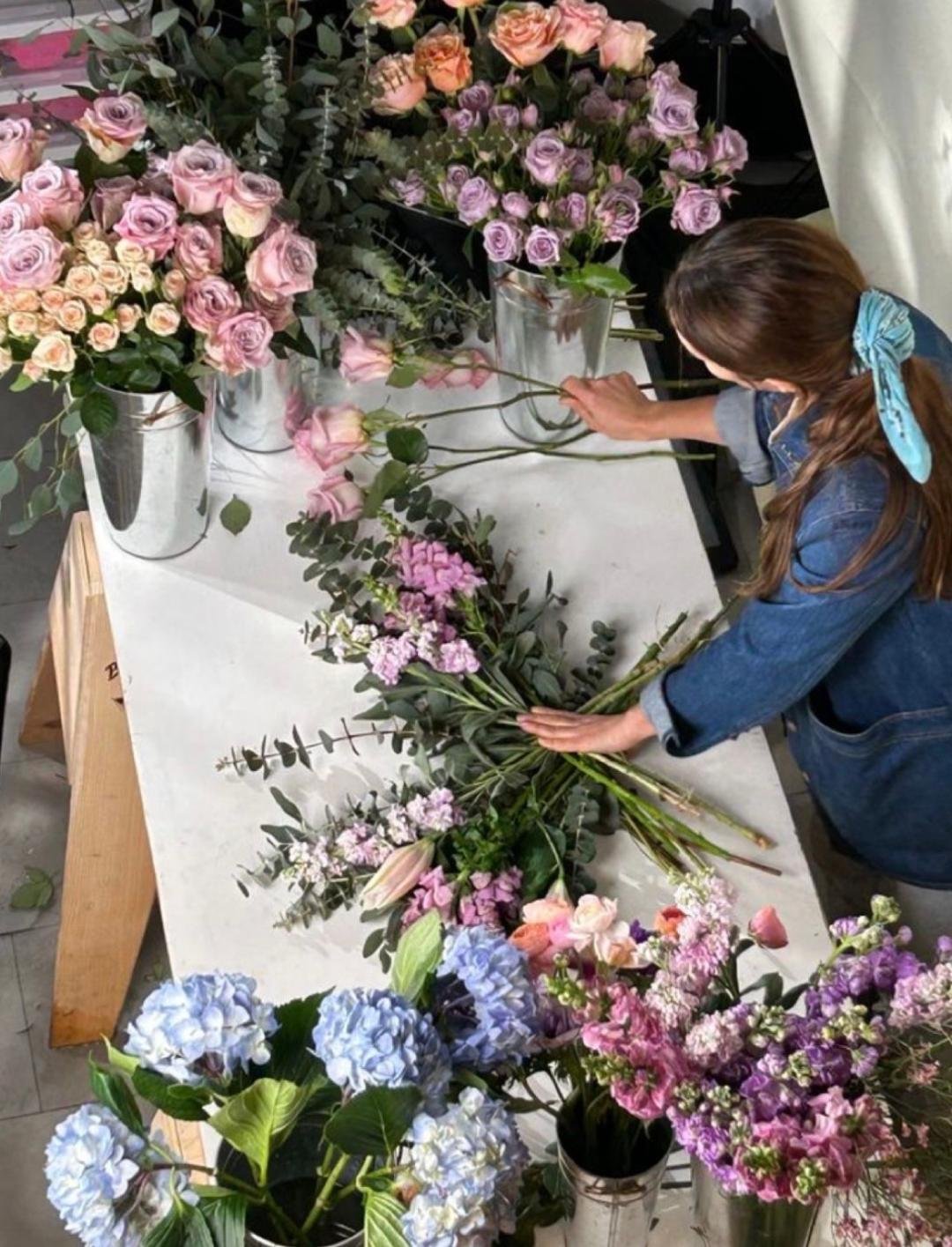
- Intricate designs featuring spinkings and blossoming artistic expression today
- The Historical Roots of Intricate Design
- The Influence of Nature on Spinking Aesthetics
- Spinkings in Contemporary Digital Art
- The Role of Generative Art in Spinking Creation
- Spinkings in Fashion and Textile Design
- The Technical Challenges of Implementing Spinkings on Fabric
- The Psychological Impact of Intricate Patterns
- Future Trends and the Evolution of Spinkings
Intricate designs featuring spinkings and blossoming artistic expression today
The world of artistic expression is constantly evolving, with new techniques and styles emerging to capture the imagination. Among the more fascinating and intricate of these developments are designs featuring spinkings, a term increasingly associated with elaborate, swirling, and often mesmerizing patterns. These designs aren't confined to any single medium; they appear in everything from digital art and textile design to architectural details and even body art, demonstrating a versatile appeal that resonates across cultures and creative disciplines. The exploration of spinkings reflects a broader human fascination with complexity, movement, and the beauty found within intricate systems.
The allure of these designs lies in their ability to draw the viewer in, prompting a closer examination of the interwoven elements. Often inspired by natural forms – the spirals of shells, the patterns in flowing water, or the growth of plant tendrils – spinkings evoke a sense of organic growth and natural harmony. Moreover, the creation and appreciation of spinkings require a unique blend of skill and aesthetic sensibility, contributing to their perceived value and artistic merit. Their growing prevalence in contemporary art signals a shift towards embracing complexity and detail as defining characteristics of modern artistry.
The Historical Roots of Intricate Design
While the term 'spinkings' might be relatively new in widespread use, the concept of intricate, swirling designs has a long and rich history across numerous cultures. From the interlaced knotwork of Celtic art to the arabesques found in Islamic architecture, the human desire to create complex, visually stimulating patterns is deeply ingrained in our artistic heritage. The ancient Egyptians, for instance, frequently employed swirling motifs in their hieroglyphs and decorative arts, symbolizing eternity and the cyclical nature of life. Similarly, the elaborate scrollwork seen in Baroque and Rococo art, prevalent during the 17th and 18th centuries, showcased a masterful command of curved lines and ornate detailing. These historical precedents demonstrate that the principles underlying spinkings – the emphasis on flowing lines, repetitive elements, and visual complexity – are not novel, but rather an evolution of existing artistic traditions.
The Influence of Nature on Spinking Aesthetics
A key element driving the appeal of spinkings isn’t merely the skilled execution, but the inherent connection to natural phenomena. The spiraling patterns found in galaxies, the branching of trees, and the delicate veins of leaves all serve as potent sources of inspiration. Artists often emulate these organic structures, using them as templates for creating designs that feel both harmonious and dynamic. This biomimicry isn't simply about replication; it’s about capturing the essence of natural growth and movement, translating it into a visual language that resonates with our innate appreciation for the natural world. The sense of flow and interconnectedness inherent in these forms seems to tap into a subconscious understanding of the universe's fundamental principles.
| Design Element | Inspiration Source |
|---|---|
| Spiral Forms | Galaxies, Shells, Whirlpools |
| Interwoven Lines | Root Systems, Neural Networks |
| Repetitive Motifs | Leaf Patterns, Honeycomb Structures |
| Flowing Curves | Water Currents, Wind Patterns |
The use of symmetry and asymmetry within spinkings also plays a crucial role in their aesthetic impact. While perfect symmetry can provide a sense of balance and order, the subtle introduction of asymmetry adds a layer of dynamism and organic realism. This interplay between order and chaos is a common characteristic of natural systems, and it contributes to the overall feeling of vitality in designs featuring spinkings.
Spinkings in Contemporary Digital Art
The advent of digital art tools has provided unprecedented opportunities for artists to explore the possibilities of spinkings. Software programs allow for the creation of incredibly intricate designs with a level of precision and complexity that would have been impossible using traditional methods. Fractal art, in particular, is closely related to the aesthetic of spinkings, with its infinitely detailed patterns and self-similar structures. Algorithms can generate these designs with minimal human intervention, allowing artists to experiment with a vast array of variations and explore the boundaries of visual complexity. The digital realm also facilitates the animation of spinkings, creating mesmerizing moving images that further enhance their captivating quality. The response to this style has been overwhelming, with widespread appeal on social media platforms and online art galleries.
The Role of Generative Art in Spinking Creation
Generative art, where algorithms are used to generate artwork, is becoming increasingly prominent in the creation of spinkings. These algorithms can be programmed with specific parameters – such as the density of lines, the complexity of the curves, and the color palette – allowing artists to fine-tune the output and achieve desired aesthetic effects. The beauty of generative art lies in its ability to produce unexpected and unique results, even when starting from the same initial parameters. This element of chance and surprise can lead to truly innovative and visually stunning designs. It also democratizes the artistic process, making it accessible to individuals who may not have extensive traditional art training.
- Fractal Art: Utilizing mathematical equations to create intricate patterns.
- Algorithmic Design: Employing code to generate complex spinking arrangements.
- Digital Painting: Combining digital tools with traditional painting techniques.
- Animation: Bringing spinkings to life through motion and visual effects.
The collaborative potential of digital art, especially regarding spinkings, is also noteworthy. Artists can easily share their work online, receive feedback, and collaborate with others from around the world. This interconnectedness fosters a sense of community and encourages the exchange of ideas, leading to further innovation and the evolution of the spinking aesthetic.
Spinkings in Fashion and Textile Design
The aesthetic of spinkings has extended beyond the realm of fine art and into the world of fashion and textile design. Designers are incorporating swirling, intricate patterns into clothing, accessories, and home décor items, creating visually striking pieces that stand out from the crowd. These designs can be achieved through a variety of techniques, including embroidery, printing, and weaving. The use of luxurious fabrics and vibrant colors can further enhance the impact of spinkings, adding a touch of elegance and sophistication. The application of spinkings to textiles demonstrates its versatility and adaptability, proving it’s suitable for a broad range of commercial and artistic pursuits. It’s a style particularly suited to silk fabrics and flowing silhouettes.
The Technical Challenges of Implementing Spinkings on Fabric
Translating the intricate details of spinkings to fabric presents unique technical challenges. Traditional embroidery techniques, while capable of producing beautiful results, can be time-consuming and labor-intensive. Digital printing offers a faster and more cost-effective alternative, but it requires careful attention to color calibration and fabric compatibility to ensure the designs are crisp and durable. The choice of fabric also plays a crucial role; some materials are better suited to capturing the delicate details of spinkings than others. Moreover, the wearability and comfort of the garment must be considered; intricate designs can sometimes feel stiff or uncomfortable against the skin. Successful implementation requires a balance between aesthetic ambition and practical considerations.
- Select Appropriate Fabric: Opt for materials that can accurately depict intricate details.
- Choose Printing/Embroidery Technique: Determine the most efficient and effective method.
- Color Calibration: Ensure accurate color reproduction on the fabric.
- Test for Durability: Verify the design's resistance to washing and wear.
Despite these challenges, the demand for textiles featuring spinkings continues to grow, driven by a desire for unique and visually arresting designs. As technology advances, we can expect to see even more innovative and sophisticated techniques for incorporating these intricate patterns into the world of fashion.
The Psychological Impact of Intricate Patterns
Beyond their aesthetic appeal, intricate patterns like those found in spinkings can have a profound psychological impact on viewers. Studies have shown that exposure to complex visual stimuli can lead to a state of “soft fascination,” characterized by a sense of calm and relaxation. This is because intricate patterns require a sustained but not overly demanding level of attention, allowing the mind to wander and de-stress. The repetitive nature of these patterns can also be meditative, promoting a sense of inner peace and tranquility. This explains why mandalas, another form of intricate design, are used in various spiritual and therapeutic practices. The captivating nature of spinkings effectively draws focus, offering a mental respite from everyday anxieties.
Future Trends and the Evolution of Spinkings
The exploration of spinkings appears to be far from over, with continued innovation in both artistic techniques and applications. We can anticipate a greater integration of artificial intelligence into the design process, allowing artists to create even more complex and personalized patterns. Furthermore, the use of new materials and technologies – such as bioluminescent inks and responsive fabrics – could lead to spinkings that evolve and change over time. The merging of physical and digital worlds via augmented reality is another exciting possibility. Imagine spinkings that come to life when viewed through a smartphone or tablet, revealing hidden layers of detail and animation. This blurring of boundaries between the real and virtual will open up new avenues for artistic expression and create immersive, interactive experiences.
Moreover, the growing awareness of the psychological benefits of intricate patterns will likely drive increased demand for spinkings in therapeutic settings, such as hospitals and mental health clinics. The incorporation of these designs into architectural spaces could create environments that promote relaxation and well-being. The future of spinkings isn't simply about aesthetics; it’s about harnessing the power of visual complexity to enhance our lives and foster a deeper connection with the world around us.